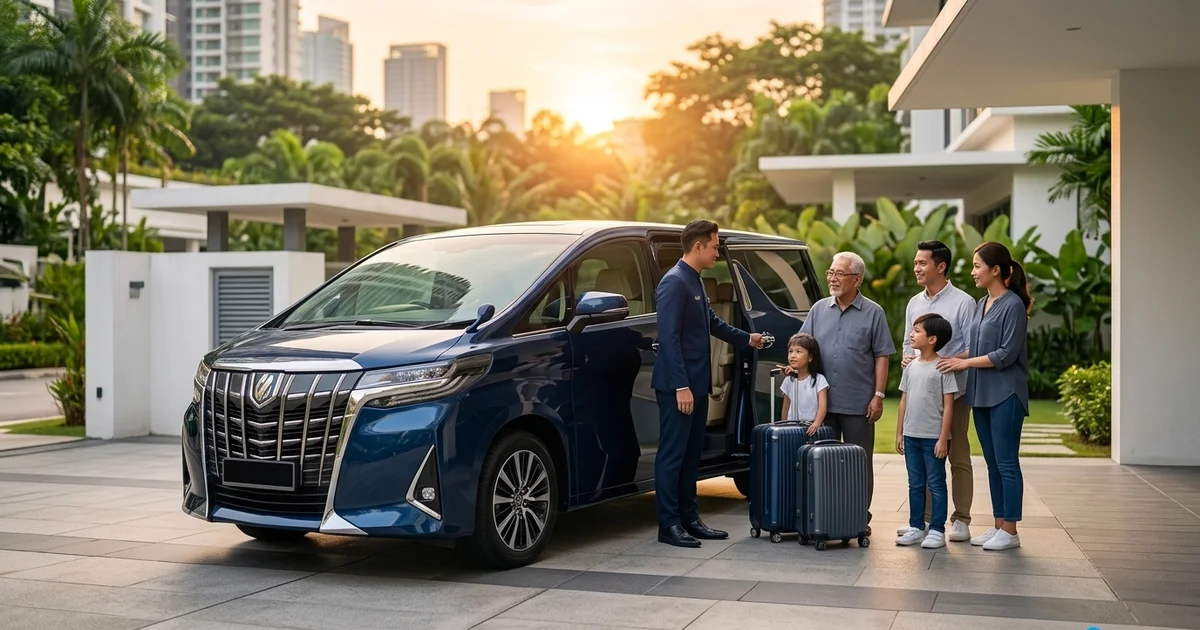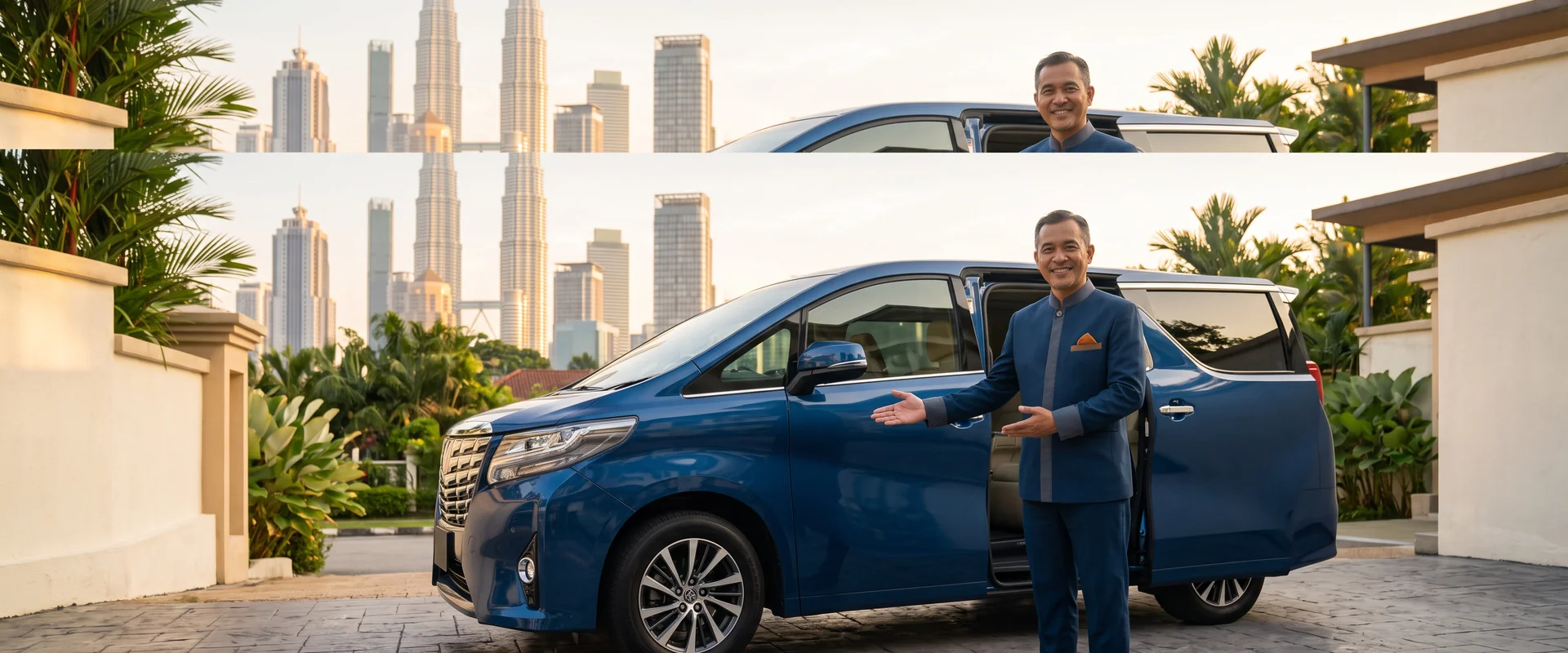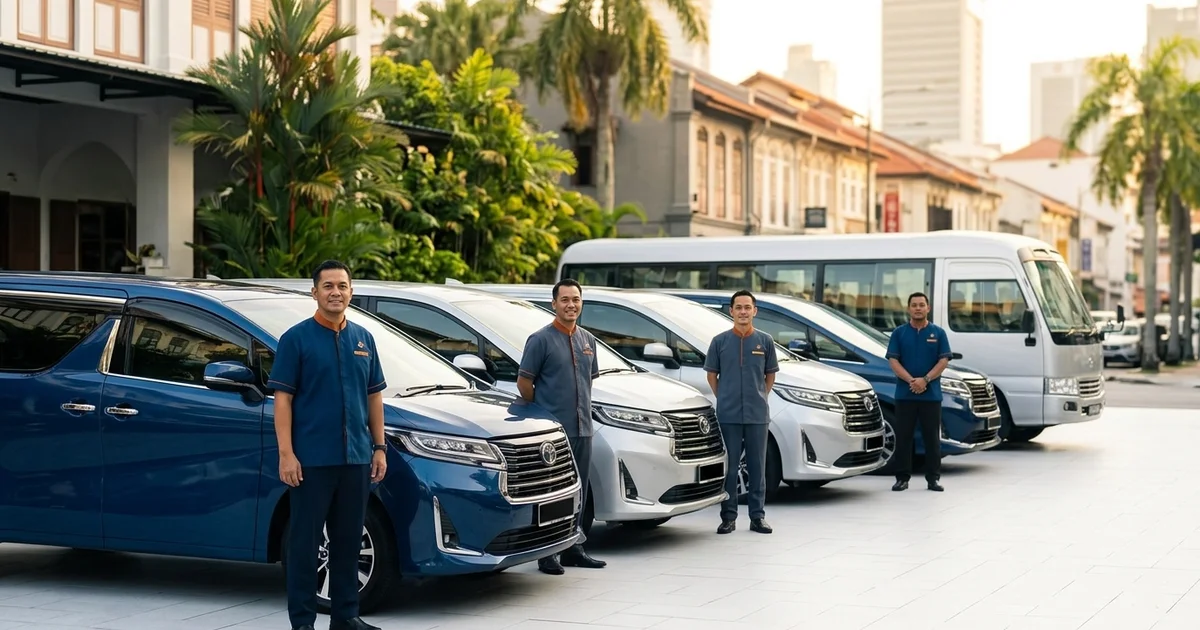
Short update from our side of the business: our private car hire and chauffeur fleet in Kuala Lumpur has expanded.
Over the past few months we have added vehicles across three categories, and the reason is straightforward. Enquiries have grown faster than our old fleet could comfortably absorb, particularly on the dates that everyone wants at once. Rather than turn bookings away or stretch drivers across an unreasonable schedule, we added capacity.
Here is what changed and what it means if you are planning a trip.
What We Added
More MPVs. This was the biggest gap. The five-to-six seater MPV is our most-requested vehicle by a wide margin, because it is the one that fits a family with real luggage. It is also the class that books out first. We have added several to the pool.
More luxury MPVs. Toyota Alphard and Vellfire bookings have grown steadily, driven by executive travel, VIP airport pickups, and families who want more space on a long journey. These are now easier to secure at short notice than they were last year.

More mini coaches. Corporate retreats, conferences, and large family groups have been the fastest-growing part of the business. A 10 to 18 seater with a proper luggage compartment is a specific vehicle, and there were days last year where we simply did not have one free. That is much less likely now.
| Vehicle class | Typical capacity | Best for |
|---|---|---|
| Sedan | Up to 3 passengers | Solo travellers, couples, business trips |
| MPV | 3 to 4 passengers | Families, airport runs with luggage |
| Luxury MPV | Up to 4 in captain seats | Executive travel, VIP pickups, long journeys |
| Mini coach | 10 to 18 passengers | Corporate groups, conferences, large families |
Why Now
Visit Malaysia 2026 is the obvious answer, and it is a real factor. But it is not the only one.
Cross-border demand has grown independently of the tourism campaign. The KL to Singapore route is busy year round, and it ties up a vehicle and a driver for a full day in each direction, which takes capacity out of the local pool.
Corporate group work has also grown. A conference shuttle running over three days is a very different commitment from a single airport transfer, and planning for those blocks means holding vehicles in reserve.
The combination meant our peak-date availability was tighter than we wanted. Expanding was the sensible response.
What this means for you
More availability on high-demand dates, and a better chance of getting the specific vehicle class you asked for rather than the nearest alternative. It does not change our pricing model, which stays fixed and all-inclusive.
Standards Have Not Changed
Adding vehicles quickly is only useful if the standard holds. A few things we kept the same:
Every vehicle stays on a regular service schedule. Interstate and cross-border work puts serious mileage on a car, and a breakdown halfway to Penang is not a problem you fix with an apology.
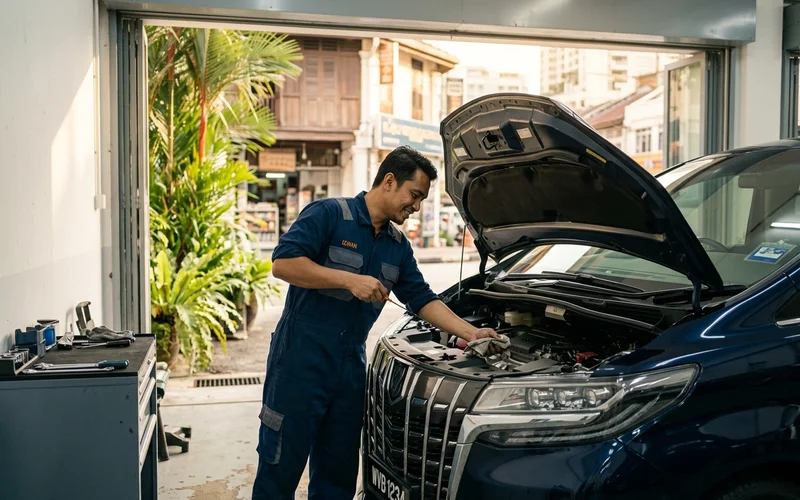
Every vehicle is cleaned between bookings, not at the end of the day. Guests notice the interior more than anything else, and reviews reflect that.
All of it stays under our licensed commercial transport and tour operator status, APAD compliant. New vehicles were added inside that framework, which matters for insurance and for corporate clients whose procurement teams ask.
Drivers were added carefully. We would rather grow the driver team slower than the vehicle count than put someone unfamiliar with the routes on a KLIA run at 5am.
How We Decided What to Add
We did not guess. The decision came out of a year of booking records, and three patterns pushed it.
The turn-away log. Every enquiry we cannot fulfil gets noted with the reason. Reading a year of those, the overwhelming majority were vehicle-class problems rather than date problems: an MPV requested on a day when only sedans were free, or a coach requested when the coach was already committed to a three-day conference.
Clustered dates. Demand is not spread evenly. It concentrates into school holidays, festival periods, late December, and major conference weeks. Adding capacity that sits idle for ten months is not sensible, but the clustering was severe enough that the peak-week shortfall justified it on its own.
Longer bookings. Cross-border and multi-day work has grown as a share of the business. Those bookings take a vehicle and a driver out of the local pool for a full day or several days at a time, which tightens same-day availability far more than the booking count suggests.
What This Changes Day to Day
Three practical things for anyone booking with us.
Short-notice MPV requests are more likely to be met. This was the tightest class and it is now the one with the most added capacity.
Peak-date bookings have more room. Not unlimited, and we still recommend booking busy dates ahead, but the answer is less often no.
Group bookings can hold a vehicle earlier. Previously we sometimes had to wait for a schedule to firm up before committing a coach. With more coaches in the pool we can hold one while an event organiser finalises details.
What Has Not Changed
Pricing stays fixed and all-inclusive: fuel, tolls, parking, and reasonable waiting time inside the quote, with no surge.
Booking stays simple. Message us the route, date, and passenger count on WhatsApp and you get a quote back.
And we still run the same six services: airport transfers, chauffeur hire, private tours, interstate transfers, cross-border travel, and mini coach hire.
If you have a trip coming up on a busy date, this is a better year than last to get it confirmed early.
Need a specific vehicle for your dates? Check availability with us

Written by
Gana
Founder & Operations Lead
Gana leads operations at MyTranslane, the Kuala Lumpur-based private chauffeur and ground-transport company he has helped run since 2010. He specialises in airport transfers and cross-border KL to Singapore travel.
15+ years in Malaysian private ground transport